
chapter I
The House of Wisdom
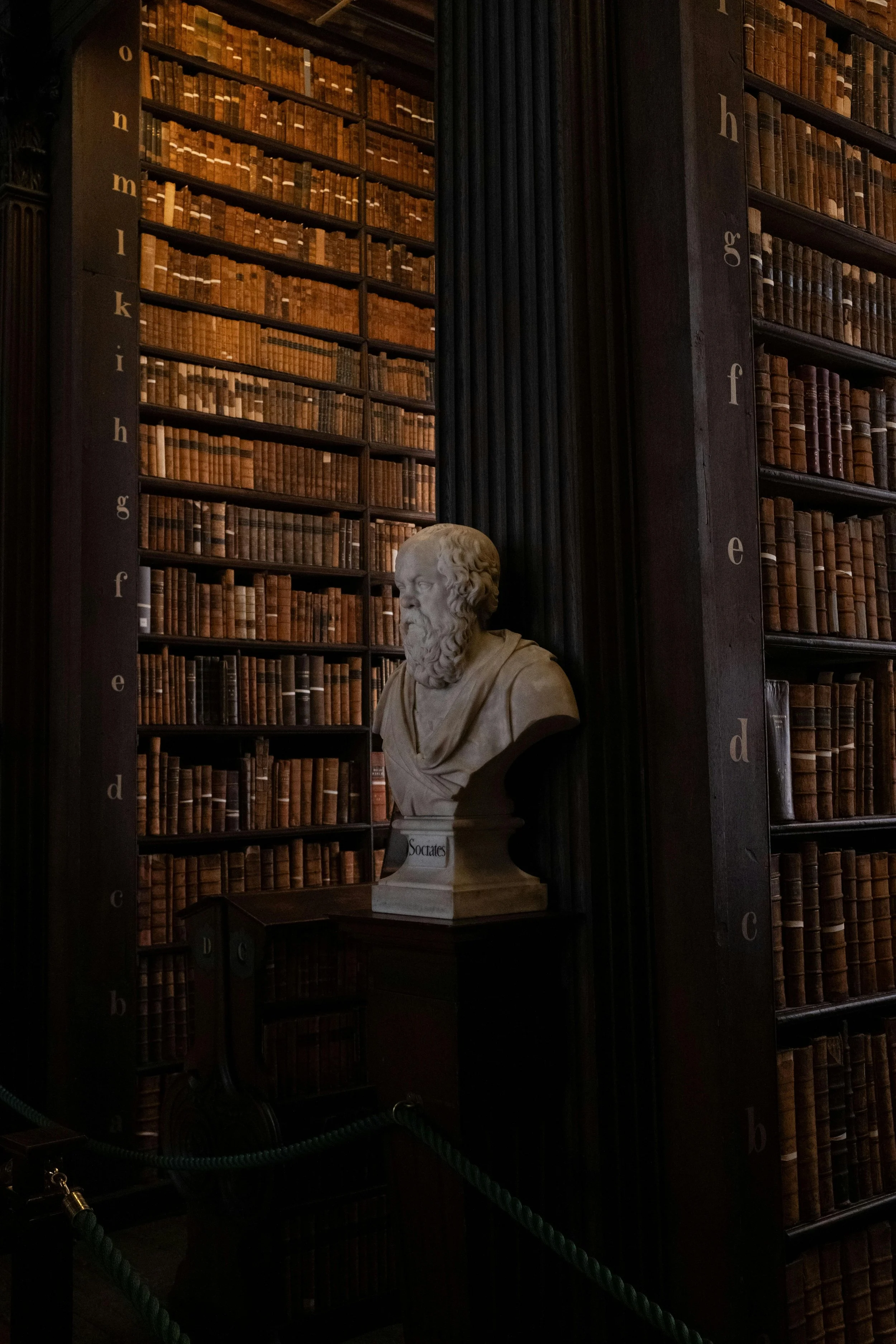
Bayt al-Ḥikma is a perfume chapter inspired by an era when knowledge was sacred and beauty was intentional. During this period, scent was not used for excess, but for clarity of mind, ritual, and presence. Oils, resins, woods, and botanicals accompanied scholars in spaces of learning, translation, reflection, and prayer.
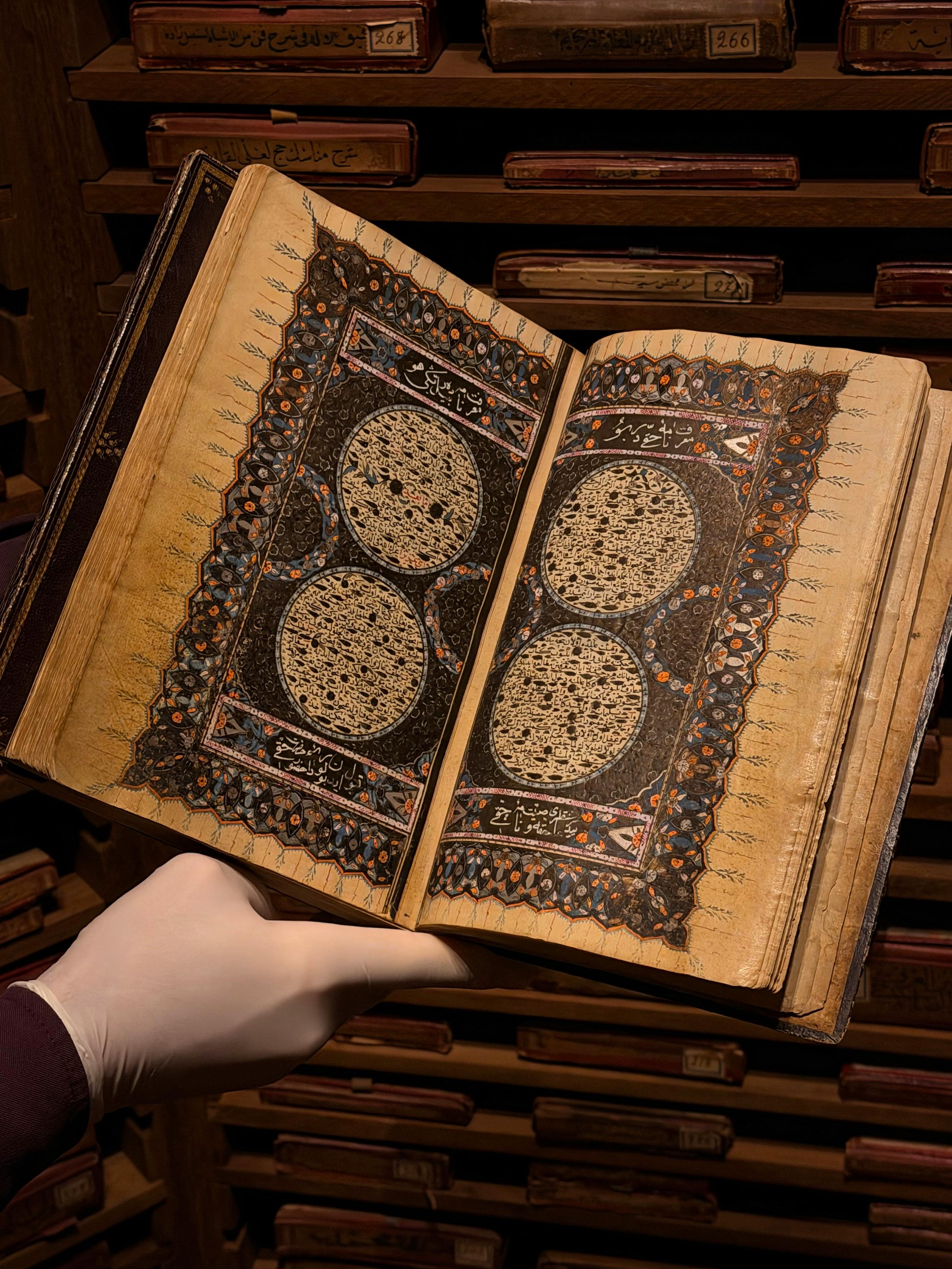
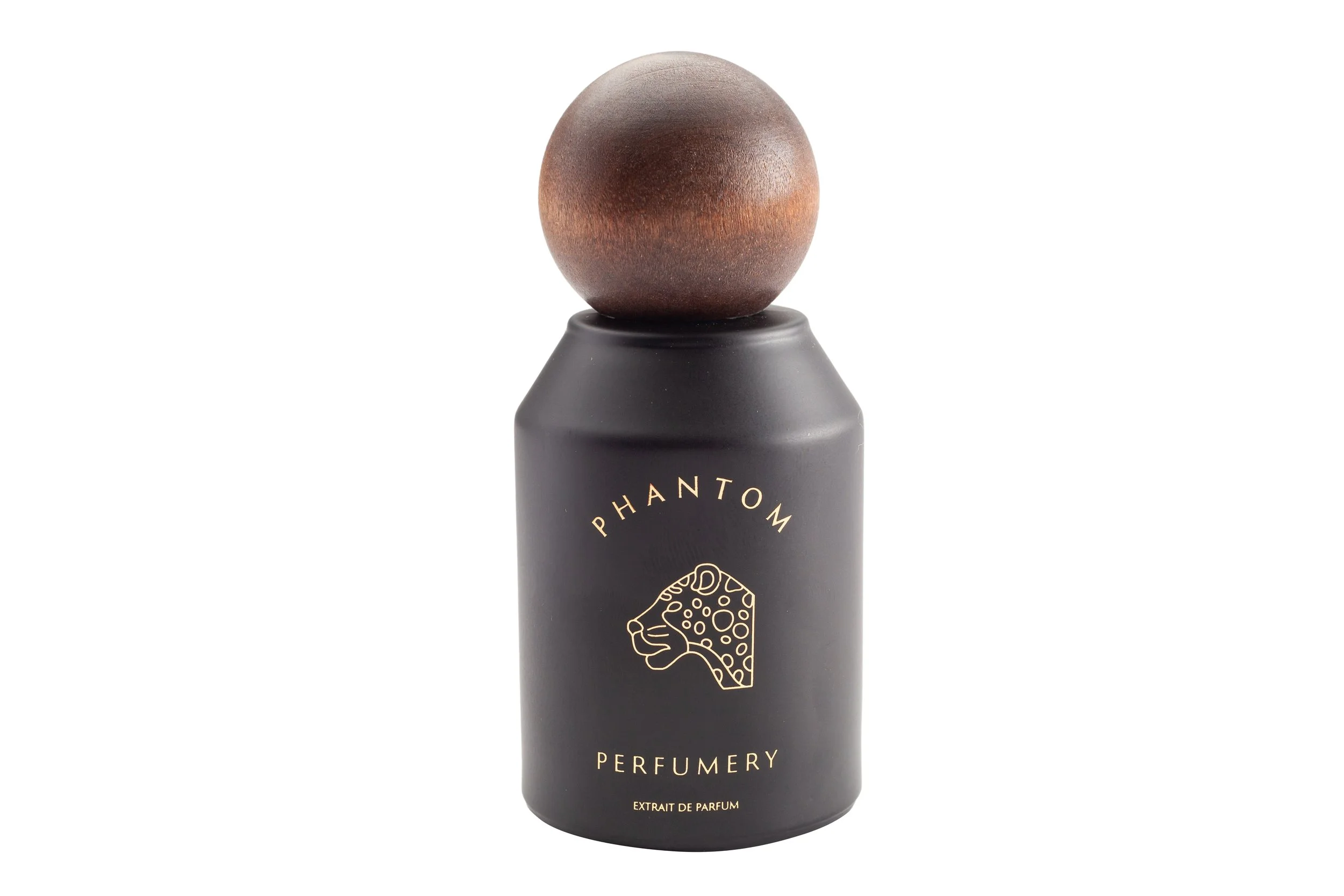
In the House of Wisdom, knowledge did not shout, it endured.
The Silent Orator is a fragrance inspired by the scholars whose influence was carried not by volume, but by thought, ink, and preservation.
The opening is quiet and deliberate. Dried plum and black tea unfold slowly, echoing long hours of reading and contemplation. A touch of saffron adds warmth, recalling the precious materials traded and studied during the era, valued not for excess but for meaning.
At the heart, violet leaf and Damask rose emerge with restraint, suggesting ink-stained pages, leather-bound manuscripts, and the human presence behind every translation and text. These notes are soft, intellectual, and introspective, never ornamental.
The base settles into soft leather, sandalwood, benzoin, and skin musk, evoking the halls of Bayt al-Ḥikma themselves, worn wood, aged books, and the quiet permanence of knowledge passed from one generation to the next.
The Silent Orator does not project. It remains close, like wisdom meant to be discovered.
A fragrance that speaks through silence and teaches through presence.

Bound in Silence, Hair Perfume
A refined veil of scent inspired by the scholars of Bayt al-Ḥikma. Top notes of soft peach and plum open delicately, recalling quiet contemplation and the subtle sweetness of preserved fruit in ancient libraries. At its heart, peony and violet blossom like inked pages and floral accents resting upon leather-bound manuscripts. The base of warm leather, patchouli, vanilla, and gentle musk lingers softly on hair, evoking the enduring presence of knowledge and the intimate atmosphere of a study hall.
Bound in Silence is a hair perfume meant to be discovered rather than announced, a quiet companion to thought, reflection, and ritual, embodying the essence of wisdom preserved in silence.
Shop the new chapter
Inspired by the scholars of the House of Wisdom, this chapter includes a perfume, hair parfum, and soap. Leather-bound manuscripts, inked pages, and subtle fruit unfold in each, offering a quiet, intimate fragrance that lingers like knowledge preserved in silence.
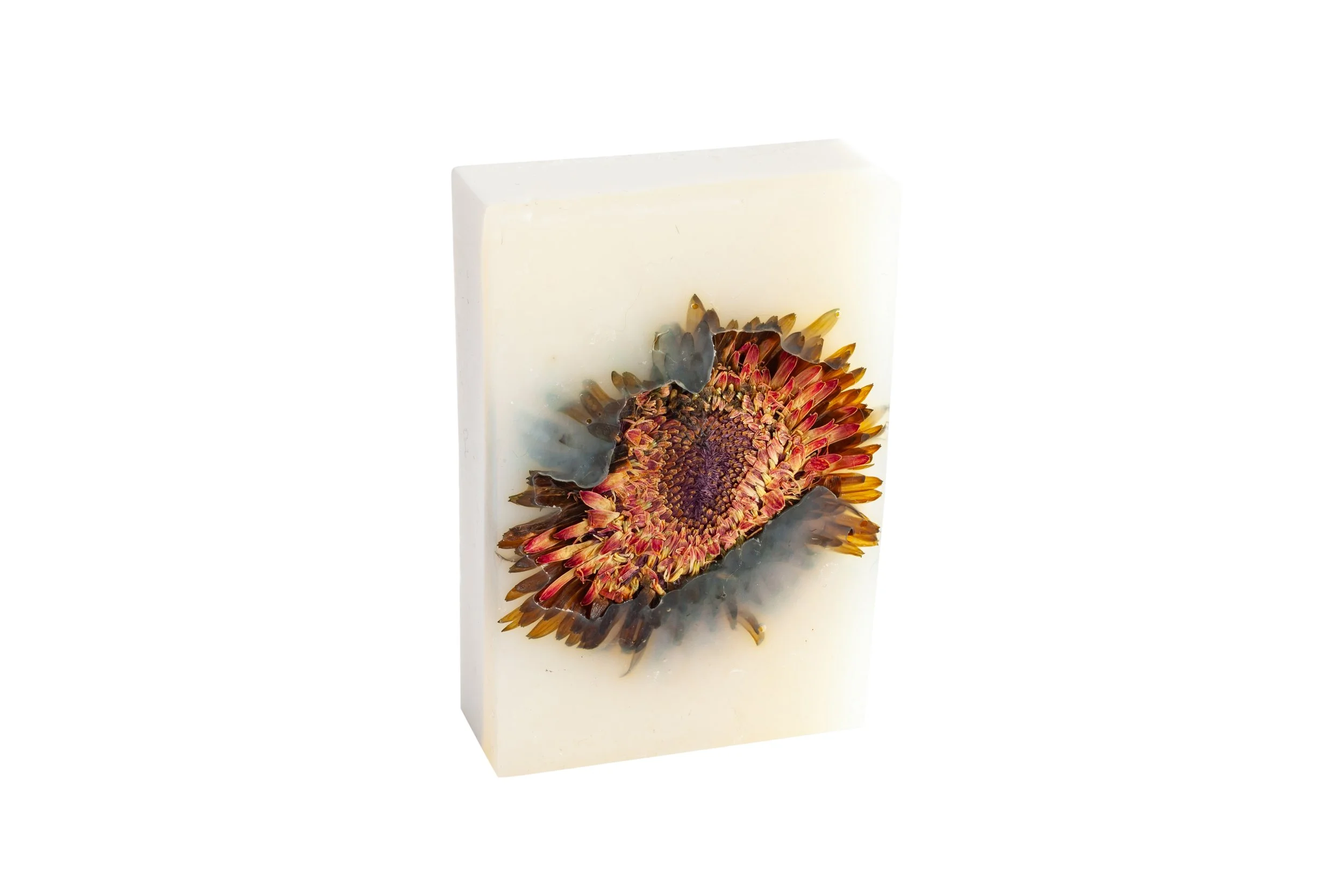
Library Veil — Soap
A quiet bar of reflection inspired by the scholars of Bayt al-Ḥikma. Soft top notes of peach and plum open into a heart of peony and violet, evoking inked manuscripts and leather-bound tomes, while a base of leather, patchouli, vanilla, and musk leaves a warm, intimate trail. Library Veil transforms the daily ritual into a moment of contemplation, carrying the essence of knowledge preserved in silence.
Educational Elements — Bayt al-Ḥikma Chapter
Opens with soft peach and plum, flowing into peony and violet, and rests on leather, patchouli, vanilla, and musk. It evokes the quiet authority of leather-bound manuscripts and inked pages, showing how fragrance can embody the presence of wisdom.
The silent orator - perfume
Bound in silence - hair parfum
A delicate veil of the same notes, designed to linger intimately around the wearer. It mirrors the subtle influence of scholars whose ideas were felt quietly, guiding thought and reflection rather than demanding attention.
Transforms daily cleansing into a moment of contemplation. As the rich lather releases whispers of plum, violet, peony, and leather, it recreates the serene environment of study halls, manuscripts, and ritual focus.
Library Veil - soap
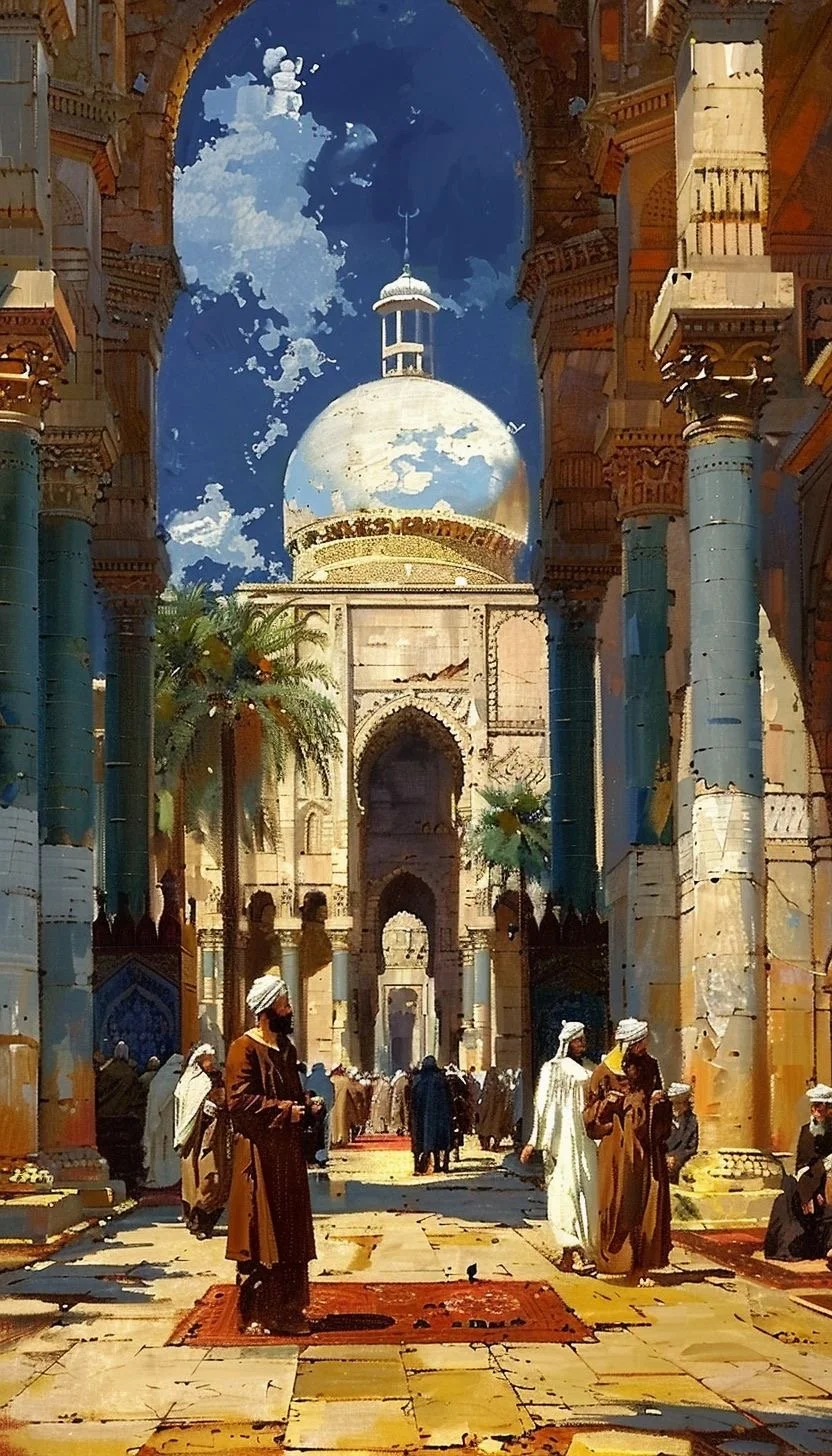
A Brief History of Bayt al-Ḥikma
Founded in Baghdad in the 8th century during the Abbasid Caliphate, Bayt al-Ḥikma, or the House of Wisdom, was a legendary center of learning and scholarship. It brought together scholars, translators, and thinkers from across the world to study, preserve, and expand knowledge in fields ranging from mathematics and astronomy to philosophy, medicine, and literature. Ancient manuscripts from Greece, Persia, India, and beyond were translated into Arabic, creating a repository of wisdom that shaped generations.
More than a library, Bayt al-Ḥikma was a space of deliberate study and intellectual devotion, where fragrance, incense, and botanicals accompanied quiet reflection, and knowledge was passed through careful preservation and contemplation. It remains a symbol of wisdom, scholarship, and the thoughtful use of knowledge, inspiring this chapter of Phantom Perfumery.
rituals
The Silent Orator — Perfume
Apply to pulse points—wrists, neck, behind the ears—to carry the quiet authority of knowledge. The fragrance unfolds gradually, like ink on a manuscript, leaving a subtle, enduring presence that invites reflection without announcing itself..
Bound in Silence — Hair Parfum
Mist lightly through the hair for an intimate, lingering veil of scent. Each note mirrors the atmosphere of scholarly study halls—discovered only by those who lean in—turning the everyday into a private ritual of presence and contemplation.
Library Veil — Soap
Use in the shower or bath to transform cleansing into a mindful ritual. As the lather releases plum, violet, peony, and leather, it evokes the serene halls of the House of Wisdom, grounding the mind and connecting the senses to quiet study and reflection.
Materials & Meaning — Bayt al-Ḥikma
-
Dried fruits were common in scholarly settings, valued for sustenance during long hours of study and travel. Their soft sweetness recalls preserved fruits found in libraries and study halls, offering nourishment without excess, much like knowledge itself.
-
Floral waters and botanicals were used historically to freshen spaces of learning. Violet, in particular, evokes the inky, powdery impression of manuscripts and ink-stained pages, while peony adds a restrained elegance, reflecting the balance of beauty and intellect.
-
Manuscripts were traditionally bound in leather, making it one of the most defining materials of scholarly life. Its presence in this chapter symbolizes preservation, protection, and the physical endurance of knowledge across generations.
-
Used historically to protect textiles and papers, patchouli connects directly to the safeguarding of manuscripts. Its earthy depth reflects the grounding nature of scholarship and the care taken to preserve written works.
-
Cultivated and distilled with precision during the Islamic Golden Age, rose water was used to purify spaces and elevate the spirit. Its restrained presence symbolizes balance between intellect and beauty.
-
Libraries and study halls were built with wood that absorbed centuries of scent and presence. Woods symbolize structure, endurance, and the architectural soul of the House of Wisdom.