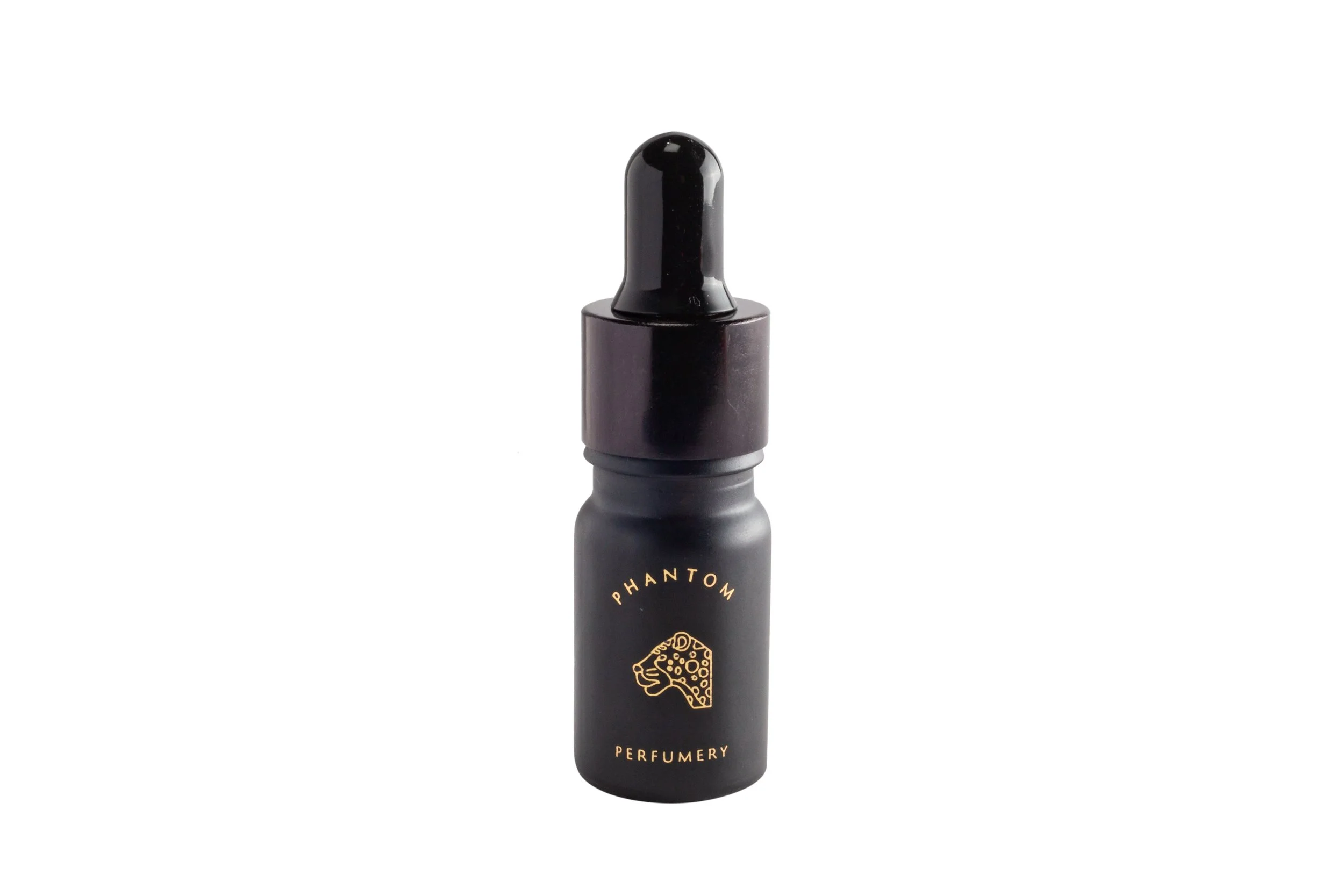
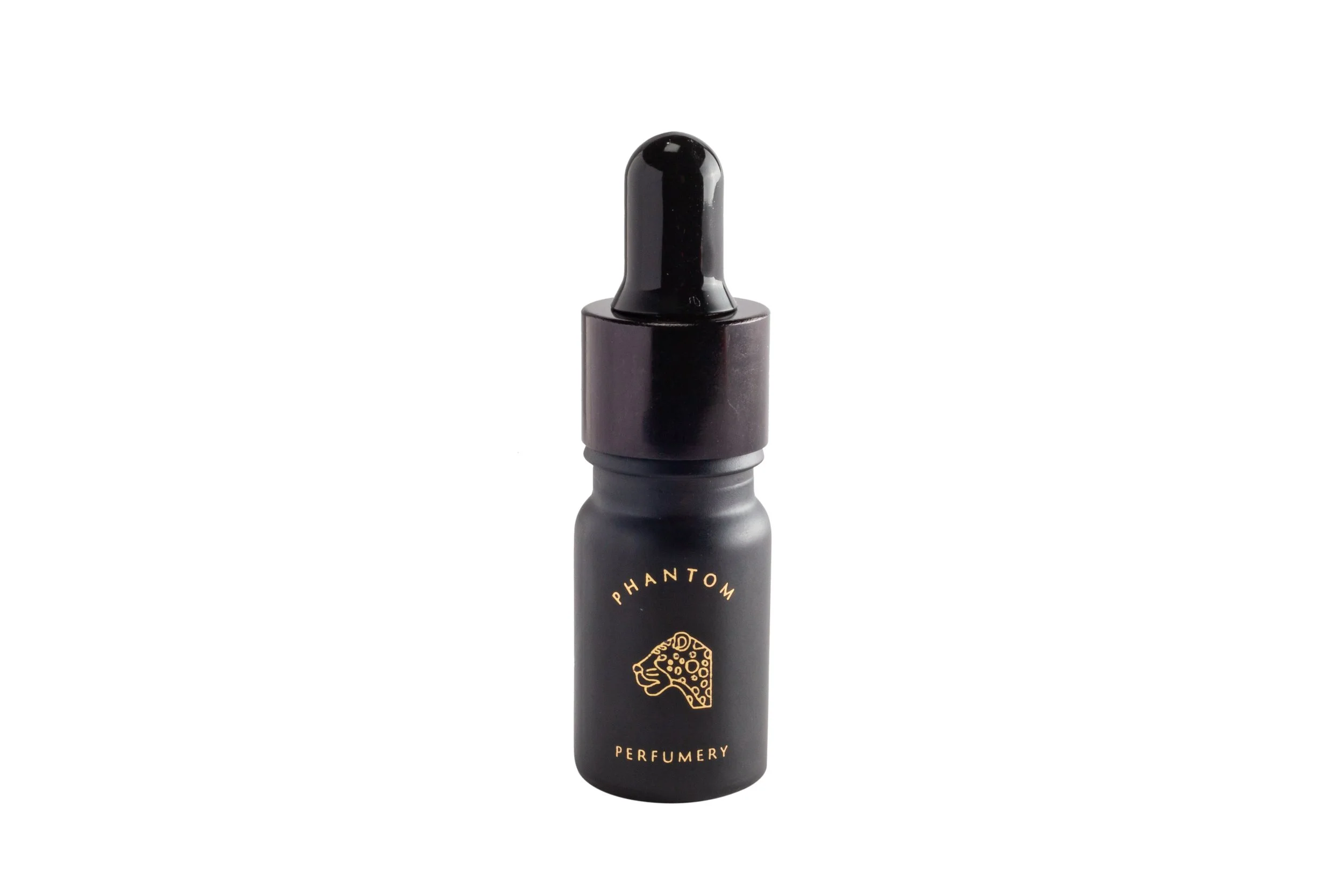
 Image 1 of 1
-
Sourced from the historic birthplace of oud in Sylhet, Bangladesh, Oud Assaf is the first Aquilaria malaccensis ever registered for fine perfumery. Sustainably crafted by Jalali Agarwood using time-honored distillation methods, each drop reflects centuries of tradition, with twenty new trees planted for every one harvested preserving oud’s legacy for generations to come.oes here
-
Oud Assaf is distilled from the heartwood of an Aquilaria malaccensis tree over 120 years old, a living testament to nature’s patience and perfection. Such age imparts a depth, refinement, and balance to the oil that cannot be replicated in younger trees. Each drop carries over a century of quiet transformation — a rare essence matured by time itself.
-
The true value of Oud Assafi™ lies in its unmatched scarcity and craftsmanship. Extracted from an Aquilaria malaccensis tree aged over 120 years, it takes more than a century for the wood to develop the rich resin that produces such an exquisite oil. From each tree, only a small amount of essence can be obtained, making every drop extraordinarily precious.
The Story of Oud Assafi
What “Oud Assafi” Stands For
Oud has traveled across empires and faiths as a symbol of beauty, contemplation, and prestige. “Assafi” evokes purity and refinement—like a river of aroma—mirroring the way oud’s scent flows from resin-rich heartwood to smoke, oil, and memory. Oud Assafi honors that timeless journey.
Origins: From Living Tree to Living Legend
The tree: Oud is the dark, aromatic resin formed inside Aquilaria (and sometimes Gyrinops) trees when they’re wounded or infected. Over years—often decades—the tree lays down resin to protect itself, turning pale wood into dense, fragrant agarwood.
Earliest records: References to agarwood appear in Sanskrit texts as aguru and in early Ayurvedic materia medica; in China as chenxiang; in Arabic as al-ʿūd (“the wood”); and in Japanese as jinkō. Across these traditions, agarwood was prized for medicine, ritual incense, and perfumery.
Geography: Natural ranges span Northeast India (Assam, Meghalaya, Tripura), Bangladesh (including Sylhet), Bhutan, Myanmar, Thailand, Laos, Cambodia, Vietnam, Malaysia, Indonesia, and Papua.
Harvesting: Old Forest Wisdom and Modern Stewardship
Classical foraging: Historically, resinous trees were located deep in monsoon forests. Harvesters read the forest—boreholes from insects, subtle scent on bark, the heft of a trunk—to decide where to cut.
Selecting the heart: Only small sections held the precious dark resin; the rest was pale and scentless. Master graders learned to hear the “thunk” of dense agarwood and to recognize oil-rich “blackwood” by touch and sheen.
Distillation craft: In Assam and Sylhet, traditional deg-bhapka (copper pot) hydrodistillation—with long water soaks and low, patient heat—produced the famed “Hindi” profile: leathery, incense-smoky, with a noble barn note that mellows into honeyed woods. Elsewhere in Southeast Asia, variations in soaking, water chemistry, and still materials yielded “Cambodi,” “Thai,” or “Borneo” styles—fruitier, resin-syrupy, or airy-green.
Modern cultivation: Because wild Aquilaria was overharvested, today’s ethical producers rely on plantations and controlled inoculation (introducing specific microbes or wounding techniques) to encourage resin formation sustainably. Responsible makers follow CITES rules, ensure replanting, and trace wood origin.
Scent on the Silk Roads: Trade, Court, and Temple
Ritual & religion:
In South and Southeast Asia, agarwood smoke sanctified temples and homes, bridging human and divine.
In the Islamic world, bukhoor and pure dihn al-oud scented garments and gatherings, especially on Fridays and feast days.
In Japan, the “Way of Incense” (Kōdō) elevated jinkō appreciation to an art, with named pieces and formal listening ceremonies.
Courtly prestige: From the Abbasids to the Mughals, from the Ryukyu Kingdom to the Nguyen court, rulers gifted, burned, and wore oud to signal refinement and power.
Medical lore: In classical Chinese medicine and Ayurveda, agarwood appeared in remedies for breath, digestion, and calm—more a treasured tonic than a common cure.
The Assam–Sylhet Lineage
Forest character: Assam and adjacent Sylhet gave the world some of the most storied “Hindi” ouds—deep, resin-saturated wood forged by heavy rains, rich soils, and time.
Artisanal signatures: Long soaks, mineral-rich water, and slow fires produce oils with a commanding opening (smoke, leather, fermented plum) that dries down to sweet hay, tea, and antique woods.
Heritage material: Old trees—sometimes a century or more in age—can yield heartwood so dark it looks lacquered. The densest striations often carve like stone; a sliver can perfume a room on contact with warm charcoal.
Profiles Across Regions
Hindi/Assam: Smoke, leather, animalic hum that resolves into honeyed hay, black tea, and temple incense.
Cambodi: Red fruits, prune syrup, caramelized resins; generous and velvety.
Thai/Lao: Clear resin glow, citrus peel, green herbs, and polished woods.
Borneo/Sumatra: Camphorated lift, rainforest humidity, and luminous resin with cool spice.
Vietnamese (Kyara ideals): Ethereal gravity—sweet, bitter, sour, spicy, and salty facets in balanced poise.
Craft: From Chip to Oil
Curation & grading: Select dark, resin-rich sections; separate sinking chips (gharu buaya, sinking grade) from lighter grades.
Soak & ferment: Weeks of water maceration coax trapped aromatics out of the wood matrix; timing and temperature are closely guarded.
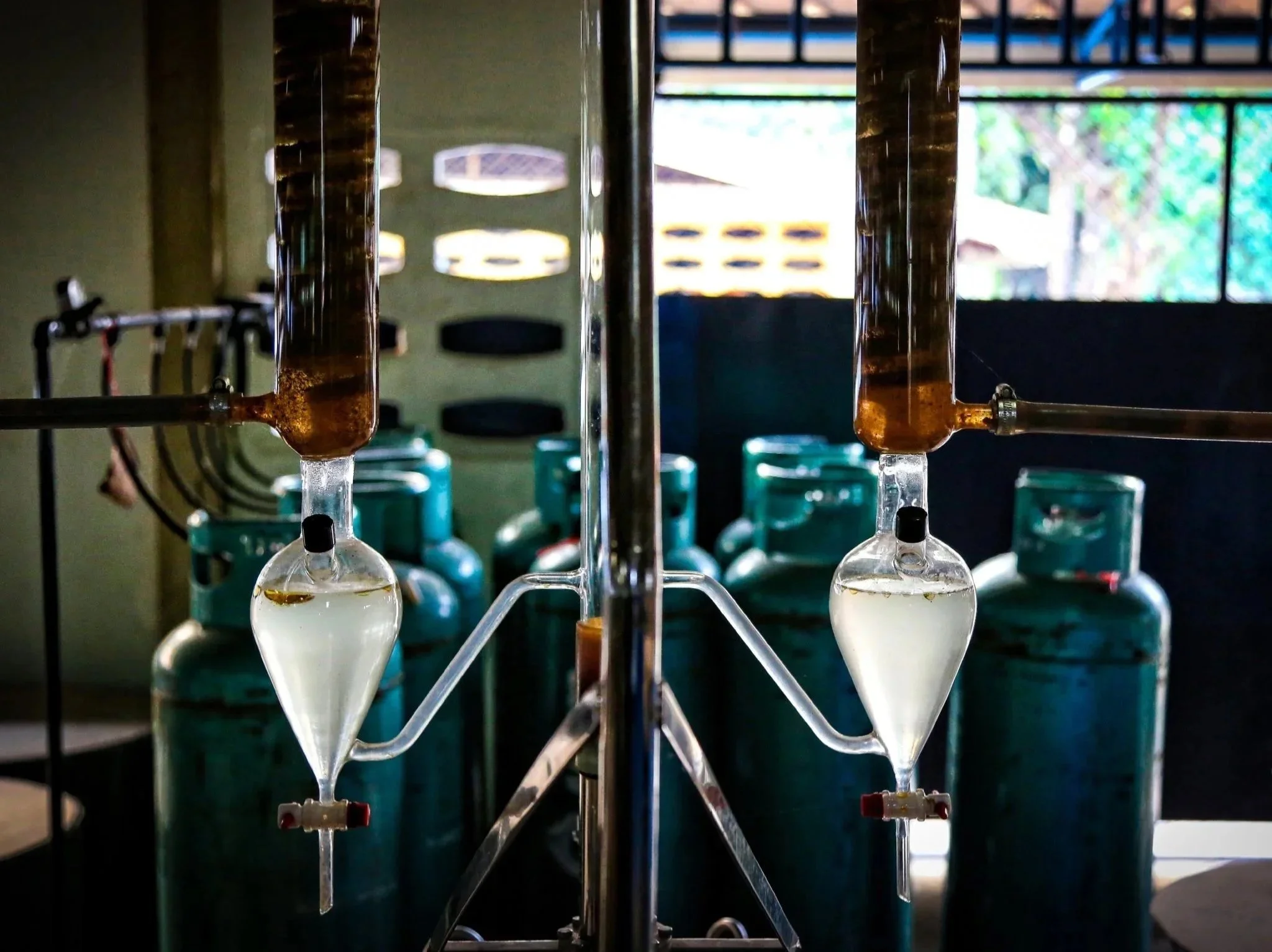
Distillation: Gentle heat in copper or stainless stills; careful hydrodistillation to avoid scorching. The first fractions can be piercing; the heart is liquid gold.
Resting: Fresh oud oil is powerful. Months—and often years—of quiet aging round the edges and weave the notes together.
Micro-batches: True artisanal oud is inherently limited: each tree, each harvest, each still session creates a singular “voice.”
Cultural Significance Today
Devotion & hospitality: A whiff of oud remains a welcome at weddings, Eid, Diwali gatherings, and house blessings from Muscat to Kuala Lumpur.
Art of connoisseurship: Collectors “listen” to oils the way others taste wine—comparing terroir, vintage, still type, and soak method.
High perfumery: Western perfumery embraced oud in the 21st century; yet pure artisanal oils remain a parallel world—uncut, undyed, and unrepeatable.
Ethics, Rarity, and Responsibility
Conservation: Wild Aquilaria is protected; reputable producers work with licensed plantations, verifiable origin, and reforestation.
Traceability: Batch logs, harvest permits, and CITES paperwork matter. So do fair wages for harvesters and distillers.
Respect for limits: Real oud cannot be mass-produced without compromise. Limited runs safeguard quality and the forests.